
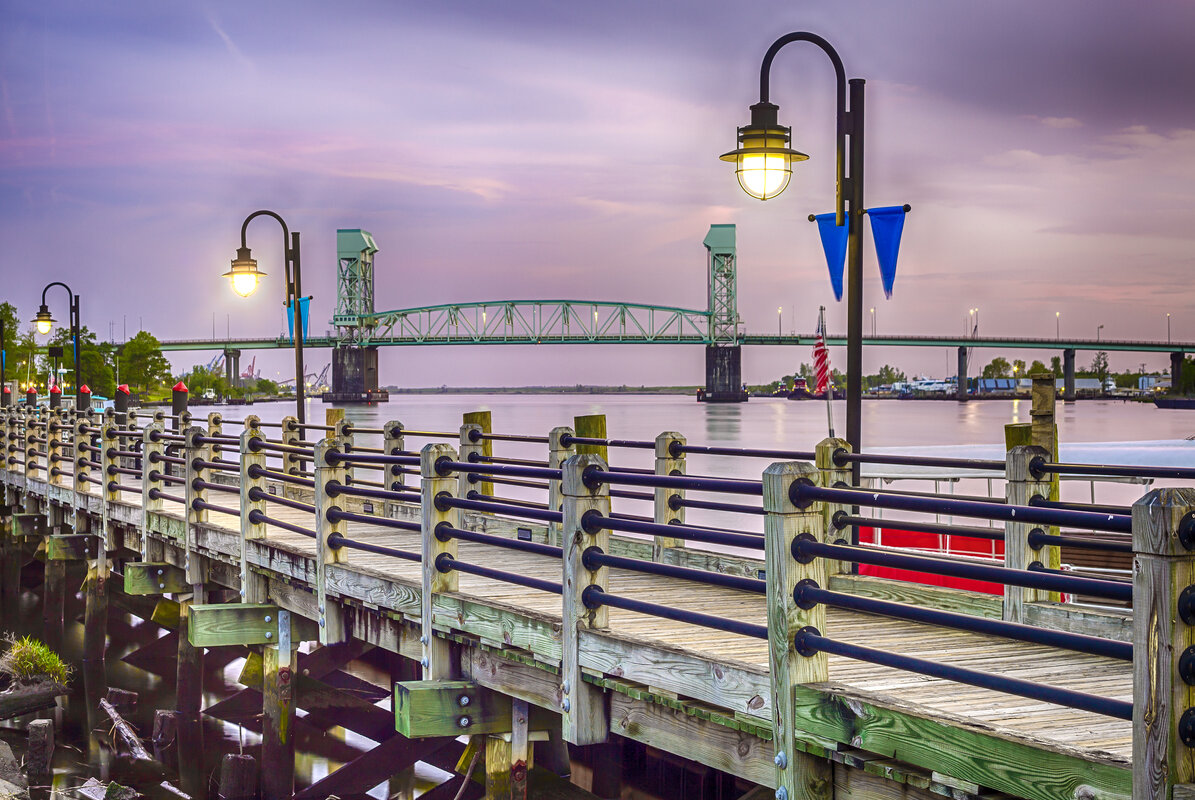
Natural disasters are an unfortunate but unavoidable reality for many homeowners across the United States—and residents of NC are no exception. From hurricanes and floods to earthquakes and wildfires, the risk of property damage caused by natural events is something every homeowner must take seriously. While these possibilities can feel overwhelming, the right insurance coverage can provide critical financial protection and peace of mind.
If you currently own a home in NC, or if you are considering selling a property in an area known for disaster risk, understanding your insurance options is essential. Buyers today are more informed than ever. They want to know whether a home is insurable, how much coverage will cost, and what risks they may be assuming by purchasing property in a disaster-prone region. Addressing these concerns proactively can make a major difference in how quickly—and how profitably—you are able to sell your home.
In this comprehensive guide, we’ll explore everything homeowners in NC need to know about disaster insurance. You’ll learn about standard homeowners insurance policies, supplemental disaster coverage, flood and hurricane insurance, earthquake considerations, wildfire protection, and proactive steps you can take to safeguard your property. Whether you plan to stay in your home long-term or are preparing to sell in the near future, this information will help you protect your investment and make informed decisions.
Why Disaster Insurance Matters for Homeowners in NC
Living in NC offers many advantages—beautiful landscapes, desirable communities, and strong real estate markets in many areas. However, certain geographic and environmental factors can increase the likelihood of natural disasters. These risks can impact:
- Your home’s insurability
- Insurance premiums and deductibles
- Property value and marketability
- Buyer confidence during a sale
- Your personal financial stability
Without adequate coverage, a single disaster event could result in tens or even hundreds of thousands of dollars in repair costs. Insurance is not just a safety net—it’s a foundational component of responsible homeownership, particularly in regions exposed to natural hazards.
Understanding Standard Homeowners Insurance Policies
Most homeowners begin with a standard homeowners insurance policy. While these policies provide important protection, many homeowners mistakenly believe they cover all types of disasters. In reality, standard policies have limitations—especially when it comes to high-risk natural events.
What Standard Homeowners Insurance Typically Covers
A standard homeowners insurance policy generally protects against common and unexpected perils, including:
- Fire and smoke damage
- Theft and burglary
- Vandalism and malicious mischief
- Lightning strikes
- Certain wind-related damage
- Damage from falling objects
- Explosions
- Damage caused by vehicles or aircraft
These policies also usually include liability coverage and protection for personal belongings inside the home.
What Standard Policies Usually Exclude
In most cases, standard homeowners insurance does not cover:
- Flooding of any kind
- Earthquake damage
- Mudslides or landslides
- Storm surge water damage
- Certain hurricane-related losses
- Wildfire-related losses in extremely high-risk zones (depending on insurer restrictions)
Because of these exclusions, homeowners in NC often need additional insurance policies to ensure complete protection.
Hurricane Insurance in NC: Wind and Water Coverage Explained
Hurricanes are among the most destructive natural disasters, capable of causing extensive wind and water damage in a very short period of time. If hurricanes pose a risk in your area of NC, understanding how hurricane insurance works is critical.
Wind Damage Coverage
Wind damage may be included in your standard homeowners insurance policy. However, in areas considered high-risk, insurers often apply:
- A separate windstorm policy
- A hurricane-specific deductible
- Higher deductibles based on a percentage of the home’s value
Instead of a flat deductible (such as $1,000), hurricane deductibles may range from 2% to 10% of your insured home value. For a $400,000 home, this could mean paying $8,000–$40,000 out of pocket before coverage applies.
Flood Damage and Storm Surge
One of the most misunderstood aspects of hurricane insurance is flood damage. Even if your home is damaged during a hurricane, flooding caused by storm surge or heavy rainfall is not covered by standard homeowners insurance.
Flood damage requires a separate flood insurance policy, typically obtained through:
- The National Flood Insurance Program (NFIP)
- Private flood insurance providers
Steps Homeowners Should Take
- Review your policy carefully for wind and hurricane deductibles
- Confirm whether wind damage requires a separate policy
- Purchase flood insurance well in advance of hurricane season
- Maintain records and photos of your property and belongings
Earthquake Insurance: Do Homeowners in NC Need It?
Earthquake risk varies widely by location, but many homeowners underestimate their exposure. Even areas not commonly associated with earthquakes can experience seismic activity that causes serious structural damage.
What Earthquake Insurance Typically Covers
Earthquake insurance is designed to cover damage resulting from ground movement, including:
- Structural damage to your home
- Foundation cracks or collapse
- Damage to walls, floors, and ceilings
- Damage to personal property inside the home
- Costs associated with stabilizing the structure
What Earthquake Insurance Usually Does Not Cover
- Damage to land, landscaping, or fencing
- Swimming pools or detached structures (unless specifically added)
- Fire damage triggered by an earthquake (often covered by standard insurance)
- Vehicle damage (covered under auto insurance if comprehensive coverage applies)
Important Considerations
Earthquake insurance policies often have high deductibles, typically calculated as a percentage of the insured value. While premiums may be relatively affordable, the deductible structure means homeowners should carefully evaluate their risk tolerance and financial situation.
Homeowners in NC can assess earthquake risk using tools such as U.S. Geological Survey (USGS) maps and consult local insurance professionals for guidance.
Flood Insurance: One of the Most Important Policies for NC Homeowners
Flooding is one of the most common and costly natural disasters in the United States. Even homes outside designated flood zones can experience flooding due to heavy rain, drainage issues, or infrastructure failure.
Flood Zones and Insurance Requirements
Flood risk is categorized using FEMA flood maps, which divide areas into:
- High-risk flood zones (often requiring insurance for mortgaged homes)
- Moderate-risk zones
- Low-risk zones
If your home is in a high-risk flood zone and you have a mortgage backed by a federally regulated lender, flood insurance is typically mandatory.
Why Flood Insurance Is Still Important in Low-Risk Areas
Many flood insurance claims come from properties located outside high-risk zones. Flooding can happen anywhere, and recovery costs can be financially devastating without coverage.
Key Flood Insurance Tips
- Check FEMA’s Flood Map Service Center for your property’s designation
- Purchase flood insurance early—policies usually have a 30-day waiting period
- Understand coverage limits for structure and contents
- Review private flood insurance options for higher coverage limits
Wildfire Insurance and Fire Protection in NC
In areas where wildfires pose a risk, insurance coverage can be more complex. While fire damage is usually included in standard homeowners insurance, homes in high-risk wildfire zones may face:
- Higher premiums
- Limited coverage options
- Policy non-renewals
- Special underwriting requirements
Protecting Your Home Against Wildfire Risk
Insurance companies often evaluate wildfire risk based on mitigation efforts. Homeowners can improve insurability by:
- Creating defensible space around the property
- Removing flammable vegetation
- Installing fire-resistant roofing and siding
- Maintaining clear access for emergency services
Ensuring adequate coverage limits is especially important, as rebuilding costs in fire-prone areas can be substantial.
Proactive Steps to Ensure You Have the Right Coverage
Disaster insurance can be complex, but taking a proactive approach can help homeowners in NC avoid unpleasant surprises.
1. Review Your Current Insurance Policies
Understand what is covered, what is excluded, and what deductibles apply—especially for disasters.
2. Conduct a Risk Assessment
Evaluate your home’s exposure to floods, earthquakes, hurricanes, and wildfires using local data and professional guidance.
3. Bundle Policies Where Possible
Many insurers offer discounts when bundling homeowners insurance with flood, earthquake, or windstorm coverage.
4. Document Your Belongings
Maintain a detailed inventory with photos, videos, and receipts to simplify the claims process.
5. Update Coverage Regularly
As home values and rebuilding costs increase, ensure your policy limits remain sufficient.
How Disaster Insurance Impacts Selling a Home in NC
If you plan to sell your home, insurance availability and cost can significantly affect buyer interest. Buyers often ask:
- Is the home insurable?
- What disaster risks exist?
- How expensive is coverage?
- Are there special deductibles?
Homes that are difficult or expensive to insure may deter traditional buyers or lead to longer days on market.
Selling Options for Disaster-Prone Properties
For homeowners concerned about insurance complications, selling directly to a professional buyer like Coastal NC Cash Offer can be a practical alternative. Direct buyers often:
- Purchase homes as-is
- Accept properties in high-risk areas
- Do not require traditional financing
- Are not deterred by insurance complexities
This can simplify the selling process while eliminating buyer hesitation.
Work With Local Professionals Who Understand NC Risks
Navigating disaster insurance and real estate transactions in NC is much easier when you work with professionals who understand local conditions. Experienced real estate and insurance professionals can:
- Identify property-specific risks
- Recommend appropriate insurance coverage
- Help address buyer concerns
- Streamline transactions in disaster-prone areas
Final Thoughts: Protecting Your Home and Financial Future in NC
Natural disasters may be unavoidable, but being unprepared is not. With the right insurance coverage and informed planning, homeowners in NC can protect their property, finances, and peace of mind.
Whether you plan to stay in your home for years to come or are preparing to sell, understanding disaster insurance gives you a powerful advantage. Proper coverage protects your investment, reassures buyers, and allows you to move forward with confidence.
If you’re considering buying or selling a home in NC, contact Coastal NC Cash Offer today. We specialize in helping homeowners navigate the unique challenges of real estate in disaster-prone areas and can connect you with trusted professionals to ensure you’re fully protected.
Call (910) 319-8878 to learn more about your options and take the next step with confidence.